 Ilford Electrical Services
Guide
Common mistakes with EICRs and how to avoid them
The usual EICR mistakes: unqualified inspectors, poor access, misread results and ignored repairs, plus simple ways to avoid each one.
- Send a short enquiry
- Covering Greater London
- EICR and related services
The most common EICR mistakes are hiring someone who is not properly qualified, leaving the inspector without access to the electrical system, misreading the result, and putting off the repairs the report recommends. Most are easy to avoid if you prepare the property, ask a few questions beforehand and act on the report promptly.
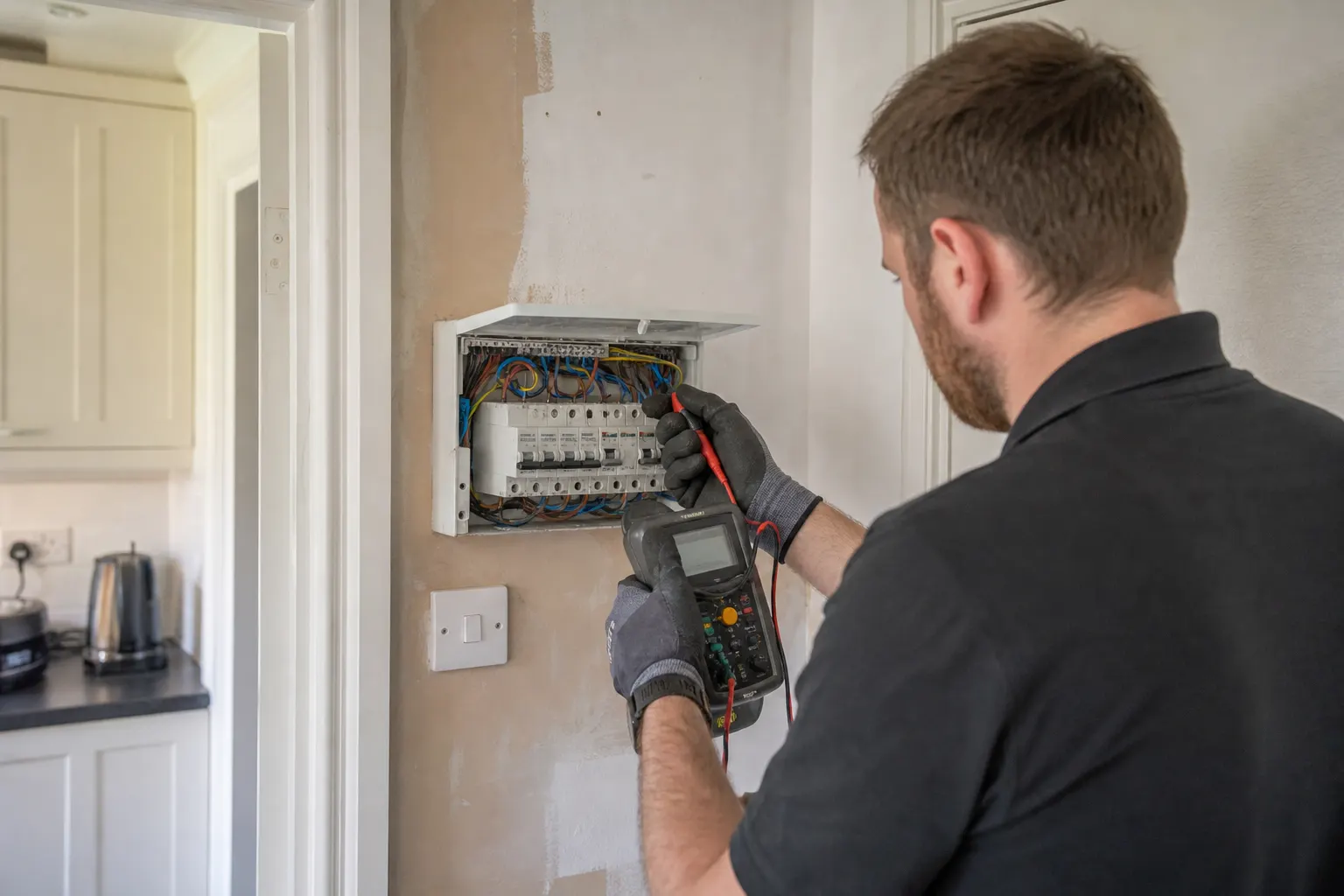
Mistake 1: Choosing the wrong person to inspect
An electrical installation condition report is a detailed inspection and test of the fixed wiring and the electrical system, not a quick look around. It needs a qualified electrician who is competent in inspection and testing, which is a different skill from fitting a socket or a light.
Before booking, ask who will sign the report and what they are qualified to do. Ask what the inspection will cover and what the report will look like. A vague answer is a warning sign. A cheap-looking offer that turns out to be a visual check with no testing will not give you a proper condition report EICR.
Mistake 2: Not preparing access
Inspections often run late or are cut short because the electrician cannot reach what they need to test. The consumer unit may be behind stored boxes, in a locked cupboard, or in a part of the property nobody has a key for. Sockets, light fittings and outbuilding supplies also need to be reachable.
Before the visit, clear the area around the consumer unit and make sure every room can be entered. Tell tenants or occupiers when the inspector is coming. Also expect the power to be switched off for periods during the test, so plan around computers, freezers and anything that cannot lose power. Poor access can mean a second visit, and that is one of the things that moves the cost.
Mistake 3: Misreading the result
Many people see the word unsatisfactory and assume the whole property is unsafe. In fact, the report grades each observation. Some items are potentially dangerous and need urgent attention because of the risk of electric shocks or fire. Others are recommendations for improvement. An unsatisfactory result usually means at least one item needs fixing before the installation can be considered satisfactory.
The opposite mistake is just as common: filing a satisfactory report and forgetting about the notes in it. Read the observations, and ask the electrician to explain anything unclear. Normal wear and tear is expected in older wiring, and the report tells you what has gone beyond acceptable.
Mistake 4: Ignoring the remedial work
A report is only useful if you act on it. Leaving flagged faults, such as damaged wiring, a worn consumer unit or missing protection, means the risk stays in place. For landlords it can also mean falling short of legal obligations.
The rules for rented properties in England set out duties around having the installation inspected and tested, and acting on the results. These rules can change, so check GOV.UK for the current position and do not rely on an old article or a friend's advice. Ask the electrician to list the remedial work clearly, then request a written quote for it. Once repairs are done, get written confirmation that the issues have been dealt with.
Mistake 5: Choosing on price alone and losing track of the report
Prices for an EICR depend on how the job is set up, so comparing two numbers without comparing the scope is misleading. Ask whether the quote is fixed or based on time, and whether any callout fee applies. Check what happens if extra circuits are found or if the inspection overruns. The size of the property, the number of circuits, how easy access is and the age of the wiring all affect how long the work takes. Ask for a written quote that says what is included.
Finally, keep the report safe. Landlords, buyers, lenders and insurers may all ask for it. Note when the next inspection is due, based on the interval the report recommends, so it does not slip.
Common questions
Does an unsatisfactory EICR mean my property is unsafe?
Not necessarily the whole property, but it means at least one issue needs attention. Some items are potentially dangerous and should be fixed promptly. Ask the electrician to explain each observation and which ones are urgent.
Can anyone carry out an EICR?
It should be a qualified electrician who is competent in inspection and testing. Ask what they are qualified to do and who will sign the report before you book.
What should I do before the inspector arrives?
Clear access to the consumer unit and all rooms, tell occupiers about the visit, and plan for the power being off for periods. Have any previous reports to hand if you have them.
Is an EICR a legal requirement for landlords?
Landlords of rented homes in England have legal obligations about electrical safety, including inspection and testing. The rules can change, so check GOV.UK for the current position.
Useful sources
- NICEIC: The electrical contracting body, with a register to check an electrician.
- GOV.UK: electrical safety standards in the private rented sector: The official guidance for landlords, tenants and councils on electrical safety checks.