 Ilford Electrical Services
Guide
What affects the cost of an EICR in Ilford?
An EICR price depends on property size, number of circuits, access and condition. Here is how pricing works and what to ask for in a written quote.
- Send a short enquiry
- Covering Greater London
- EICR and related services
The cost of an EICR in Ilford depends mainly on how long the inspection and testing will take, which is driven by the size of the property, the number of circuits, how easy everything is to reach and the condition of the installation. There is no single fair figure for every home, so the sensible approach is to ask for a written quote that says exactly what is included. Below we explain what moves the price so you can compare quotes properly.
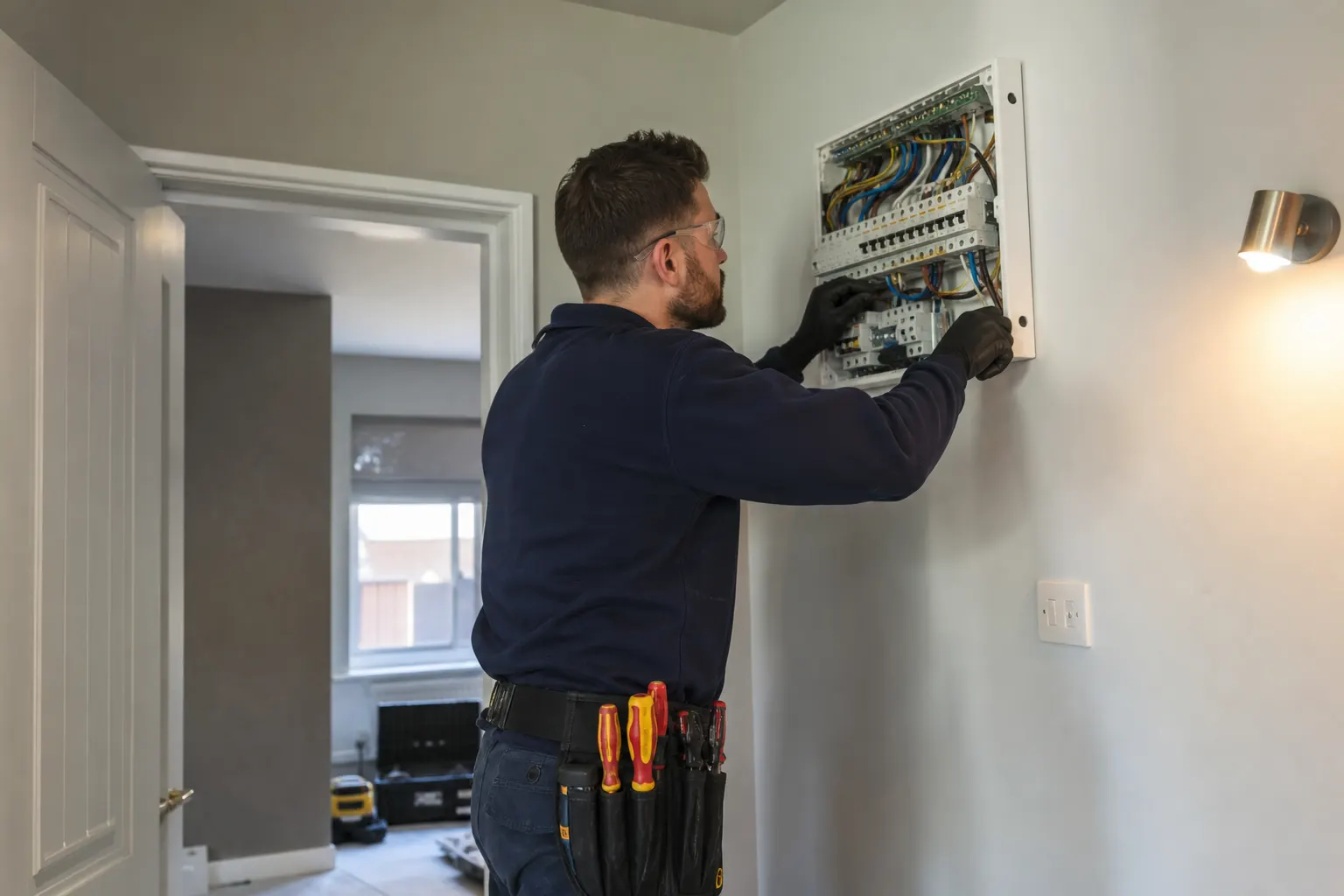
How EICR pricing usually works
An EICR is an Electrical Installation Condition Report. An electrician inspects the fixed wiring and tests it, then records what they find in a written report. Because the job is mostly time spent testing, pricing normally comes down to one of two approaches: a fixed price based on the property, or an hourly rate for the time needed. Some firms also add a callout fee or build travel into the price.
Neither approach is automatically better. A fixed price gives you certainty, as long as it is based on a proper understanding of your property. An hourly rate can suit unusual or larger premises, but ask for an estimate of the hours so you are not left guessing.
Property size and number of circuits
The bigger the installation, the more there is to inspect and test. A one bedroom flat with a single consumer unit is a smaller job than a large family house with several floors, an extension, a garage or outbuildings with their own supply.
What matters most is the number of circuits, sockets, lights and fittings, not just the number of rooms. If you have more than one consumer unit, or a separate supply to a workshop or garden room, tell the electrician before they quote. Leaving it out can mean the price changes once they arrive.
Access, condition and what the electrician finds
Testing needs access. Furniture in front of sockets, locked rooms, loft hatches that are blocked and consumer units hidden behind stored items all slow the work down. Clearing access beforehand is one of the easiest ways to keep time, and therefore cost, under control.
The age and condition of the installation matter too. Older wiring, a mix of different eras of work, missing labelling on the consumer unit or no previous records can mean more investigation is needed to trace circuits. A tidy, well documented installation is usually quicker to test than one where the electrician has to work out what feeds what.
Timing, parking and practical details
Where and when the visit happens can affect the price. Evenings, weekends and short notice bookings may be priced differently from a standard weekday slot. If parking is difficult near your property, or the electrician needs to arrange it, mention it when you ask for a quote.
The inspection also needs the power to be switched off for periods. If you are a landlord with tenants, or you run a business, agreeing a convenient time in advance avoids wasted visits. We serve Ilford and the wider Greater London area, and it helps to give the full postcode and a clear description of the property when you enquire.
If the EICR finds problems
The inspection itself and any repair work are separate things. The report grades observations with codes: C1 means danger is present, C2 means potentially dangerous, C3 means improvement is recommended, and FI means further investigation is needed. A report with C1 or C2 items, or an FI, is generally treated as unsatisfactory.
Fixing those items is normally quoted separately, because nobody can know what is needed until the testing is done. Costs then depend on the parts required, such as a new consumer unit or replacement accessories, and the time to fit them. Ask whether the electrician can carry out remedial work and whether they will give you a written quote for it before starting. If you are a landlord, the rules on electrical reports for rented homes can change, so check GOV.UK for the current position.
How to compare quotes fairly
Ask each firm to put the same things in writing: what is covered, whether the written report is included, whether there is any callout or travel fee, how many circuits or consumer units the quote assumes, and what happens if extra time is needed. Be cautious about a quote that is much vaguer than the others, as the gaps often show up later.
It also helps to ask who will carry out the inspection and what qualifications they hold. Electricians should be happy to explain their experience with EICRs and show you evidence of their competence.
Common questions
How much would an EICR cost?
It depends on the size of the property, the number of circuits and consumer units, access and the condition of the wiring. We do not quote a general figure here because it would not reflect your home. Give the electrician the details and ask for a written quote.
Where can I get a free electrical safety check?
Be careful with offers of a free check. A proper EICR involves inspection and testing, and it takes time. Some free checks are brief visual looks that lead to a sales visit. Your electricity supplier or local council may be able to point you to advice, and GOV.UK is a good place to check what applies to you.
What happens if your EICR fails?
An unsatisfactory report means the electrician found items coded C1, C2 or FI. These need attention, so ask for a written quote for the remedial work. Once the work is done, the installation is usually re-checked and the report updated. Landlords should check GOV.UK for current duties and timescales.
How much should I expect to pay for an electrician?
Electricians price in different ways, including fixed prices, hourly rates and callout fees, and the total depends on the job, the parts and the time. Compare written quotes that list the same scope rather than looking at a headline rate alone.
Useful sources
- NICEIC: The electrical contracting body, with a register to check an electrician.
- Citizens Advice: Free, independent advice on your rights when paying for work.